









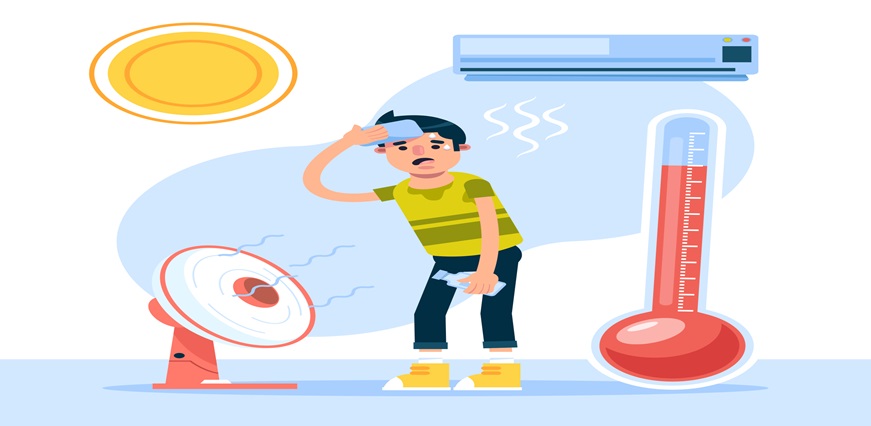
Feeling the heat of the sun on your skin signals that summer is, in swing. While enjoying the warmth is nice it's crucial to be aware of the risks associated with prolonged exposure to temperatures. One significant danger is a heat stroke, a condition that can have consequences if not detected and treated promptly.
Heat Stroke
As temperatures soar during heatwaves the risk of heat stroke becomes a worry. Heat stroke happens when the body overheats to levels often due to prolonged exposure to temperatures or physical exertion in hot weather. Symptoms may include confusion, unconsciousness, rapid heartbeat, and dehydration.
Recognizing the signs of heat stroke early. Acting is essential. Ignoring these warning signs can lead to complications like organ damage and fatal outcomes. Treatment for heat stroke usually involves cooling down the body through methods such as cold-water immersion or ice packs while seeking medical help.
Causes of Heat Stroke
Various factors can contribute to the development of heat stroke. One key factor is weather conditions, like heatwaves or high humidity levels that hinder cooling of the body.
Exercising vigorously in weather without drinking water can also raise the chances of getting heat stroke. Moreover, specific health issues such, as heart problems or being overweight can make people more prone, to heat-related diseases.
Wearing excessive clothing that hinders sweat evaporation or being in an environment with limited access to shade and cooling facilities can further elevate the chances of developing heat stroke. It's essential to be aware of these potential triggers and take precautions to prevent this serious condition from occurring.
Signs and Symptoms of Heat Stroke
Recognizing the signs and symptoms of heat stroke is essential, for intervention. Heat stroke occurs when the body overheats from prolonged exposure to temperatures or physical activity, in weather. Look out for the below symptoms and heed your body’s warnings.
Immediate Steps to Take When Someone is Experiencing Heat Stroke
When someone is suffering from heat stroke it's important to act efficiently. Start by relocating the individual to an area away, from direct sunlight. Loosen their clothing. Use water or ice packs to help lower their body temperature.
Encourage them to sip on water or a sports drink with electrolytes if they're conscious and able to swallow. Avoid offering caffeine or alcohol as they can exacerbate dehydration.
If the person is unconscious immediately call emergency services. While waiting for assistance continue cooling measures by using a fan and applying compresses to areas like the neck, armpits, and groin where blood vessels are near the skin surface.
Keep an eye on their signs until medical help arrives. Time is crucial, in treating heat stroke so acting promptly can greatly impact their recovery process.
Recovery and Treatment for Heat Stroke
Recovery and treatment form a crucial part of the recovery process post experiencing a heat stroke. Treatment involves cooling the body down quickly to restrict further damage.
One common method is to apply ice packs or cool towels to regulate body temperature. Hydration is crucial during recovery to replace lost fluids from sweating.
Resting and avoiding strenuous activities are important during the recovery period.
Preventing Heat Stroke: Tips and Measures
With temperatures soaring during summer, it is imperative to take proactive steps to prevent heat stroke. One of the most important tips is to stay hydrated by drinking plenty of fluids throughout the day. Avoid sugary or caffeinated beverages as they can dehydrate one further.
Lightweight and loose-fitting clothing made from breathable fabrics like cotton can help regulate body temperature. Limit outdoor activities during the hottest parts of the day and seek shade whenever possible. If outside, wear a wide-brimmed hat and sunglasses for added protection.

















 To reach our help desk call 7982100200
.png)
Comments